EV Car Parts Pricing Guide: Comprehensive Cost Analysis and Market Trends

Room 1705, Xingmao Shengshi Silver Seat, No. 6, Bailing Road, Yubei District, Chongqing City,China +86-18166595662 [email protected]

Get a Free Quote

Our representative will contact you soon.
Email
Name
Company Name
Mobile/Whatsapp
Message
0/1000

ev car parts price

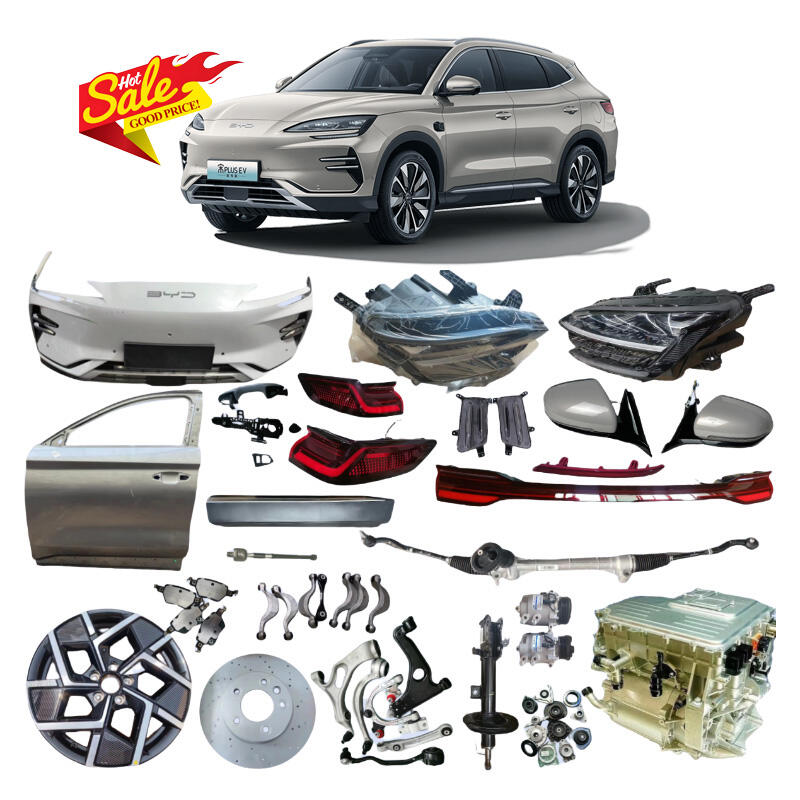
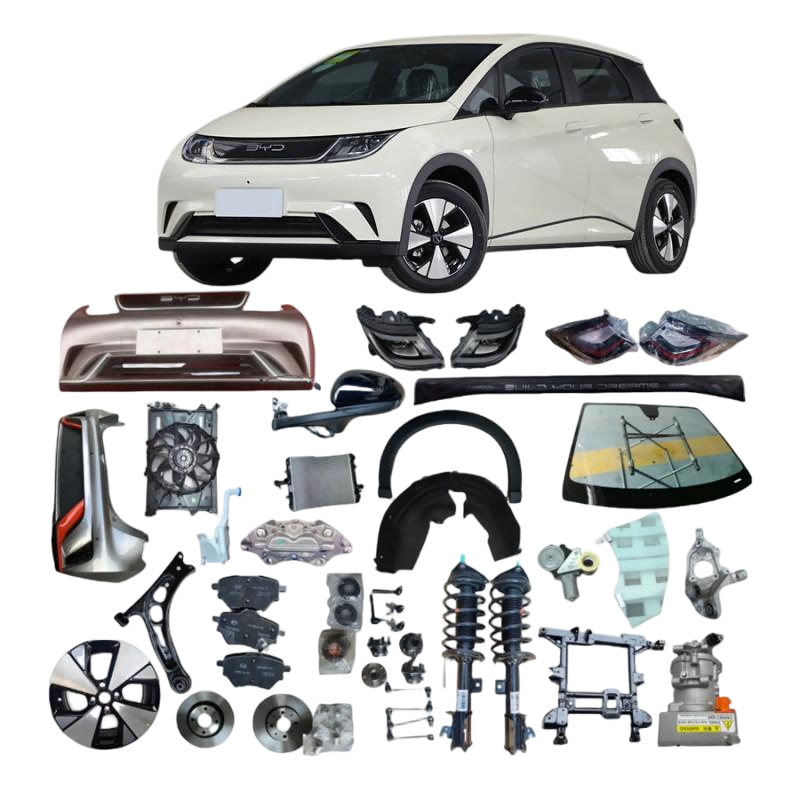
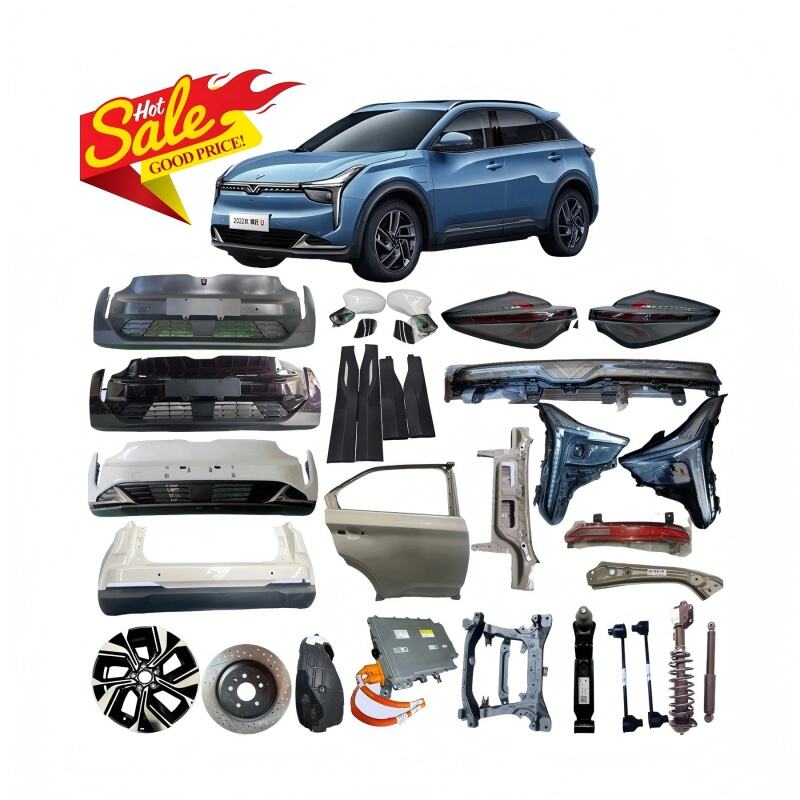
EV car parts pricing represents a crucial aspect of the electric vehicle industry, encompassing a wide range of components from batteries and motors to charging systems and electronic controls. The cost structure of EV parts varies significantly, with batteries typically accounting for 30-40% of the total vehicle cost. Modern EV components are designed with advanced materials and sophisticated technology, offering improved efficiency and durability compared to traditional automotive parts. The pricing of these components reflects factors such as manufacturing processes, material costs, research and development investments, and market demand. For instance, electric motors can range from $1,000 to $4,000, while battery packs may cost between $5,000 and $15,000 depending on capacity and technology. Control systems, inverters, and power electronics typically fall in the $2,000 to $7,000 range. These prices are gradually decreasing as manufacturing scales up and technology advances, making electric vehicles more accessible to consumers. The market also sees variation in prices based on quality tiers, with premium components offering enhanced performance and longevity at higher price points.


New Products

The current pricing structure of EV car parts offers several distinct advantages for both manufacturers and consumers. First, the modular nature of EV components allows for more flexible pricing options, enabling customers to choose parts that best fit their budget and performance requirements. The decreasing cost trend in EV components, particularly in battery technology, has made replacement and upgrades more affordable over time. Manufacturers benefit from economies of scale, leading to reduced production costs and more competitive pricing for end users. The standardization of certain EV components has created a more transparent market, making it easier for consumers to compare prices and options. Additionally, the longer lifespan of many EV parts compared to traditional vehicle components often results in better long-term value despite higher initial costs. The growing aftermarket for EV parts has introduced more competition, helping to drive prices down while maintaining quality standards. Modern EV parts often come with comprehensive warranties and support services, providing added value and peace of mind for consumers. The availability of different price points for similar components allows for greater market segmentation, serving both budget-conscious and premium buyers. The pricing structure also reflects the environmental benefits, as many components are designed for recyclability and sustainability, factors that increasingly influence consumer purchasing decisions.

Practical Tips

Riding the Wave: How China's EV Boom Creates Unprecedented Opportunities for Global Auto Parts Distributors

29

Oct

Riding the Wave: How China's EV Boom Creates Unprecedented Opportunities for Global Auto Parts Distributors

View More
OEM vs. Aftermarket: Making the Right Choice for Your New Energy Vehicle's Performance and Safety

29

Oct

OEM vs. Aftermarket: Making the Right Choice for Your New Energy Vehicle's Performance and Safety

View More
Global Partners in Focus: October Welcomes Delegations from  Armenia, Ethiopia,Albania, and Aruba

29

Oct

Global Partners in Focus: October Welcomes Delegations from Armenia, Ethiopia,Albania, and Aruba

View More

Get a Free Quote

Our representative will contact you soon.
Email
Name
Company Name
Mobile/Whatsapp
Message
0/1000

ev car parts price

Cost-Effective Battery Solutions

Cost-Effective Battery Solutions

Battery systems represent the most significant cost component in electric vehicles, but recent advancements in technology and manufacturing processes have led to more cost-effective solutions. Modern EV batteries now offer improved energy density at lower price points, with costs dropping by approximately 13% annually over the past decade. This trend has made replacement batteries more affordable while delivering better performance. The availability of different battery capacities and chemistries at various price points allows consumers to choose options that best match their needs and budget. Additionally, the emergence of refurbished battery options provides a more economical alternative for older EV models, helping to extend vehicle lifespan while maintaining reasonable costs.
Competitive Motor and Drive System Pricing

Competitive Motor and Drive System Pricing

Electric motor and drive system prices have become increasingly competitive due to technological improvements and manufacturing efficiencies. Modern EV motors offer enhanced power output and efficiency at more accessible price points, with options ranging from basic models to high-performance variants. The pricing structure reflects different power ratings, torque capabilities, and efficiency levels, allowing customers to select components that match their vehicle's requirements. The availability of both new and remanufactured motors provides flexibility in pricing, while maintaining high quality and reliability standards. Advanced manufacturing techniques have helped reduce production costs, making these essential components more affordable without compromising performance.
Affordable Electronic Control Systems

Affordable Electronic Control Systems

The pricing of electronic control systems for EVs has evolved to offer excellent value for money, with components becoming more sophisticated while remaining cost-effective. Modern control systems integrate multiple functions into single units, reducing overall costs while improving reliability. The market offers various price points for control modules, from basic units to advanced systems with features like regenerative braking and dynamic power management. The standardization of these components has led to more competitive pricing, while maintaining high safety and performance standards. Manufacturers now provide scalable solutions that allow customers to upgrade their systems gradually, making it easier to manage costs while keeping up with technological advancements.

Get a Free Quote

Our representative will contact you soon.
Email
Name
Company Name
Mobile/Whatsapp
Message
0/1000